
The Name Behind Batts Cottage: Conservation Roots at PCCI
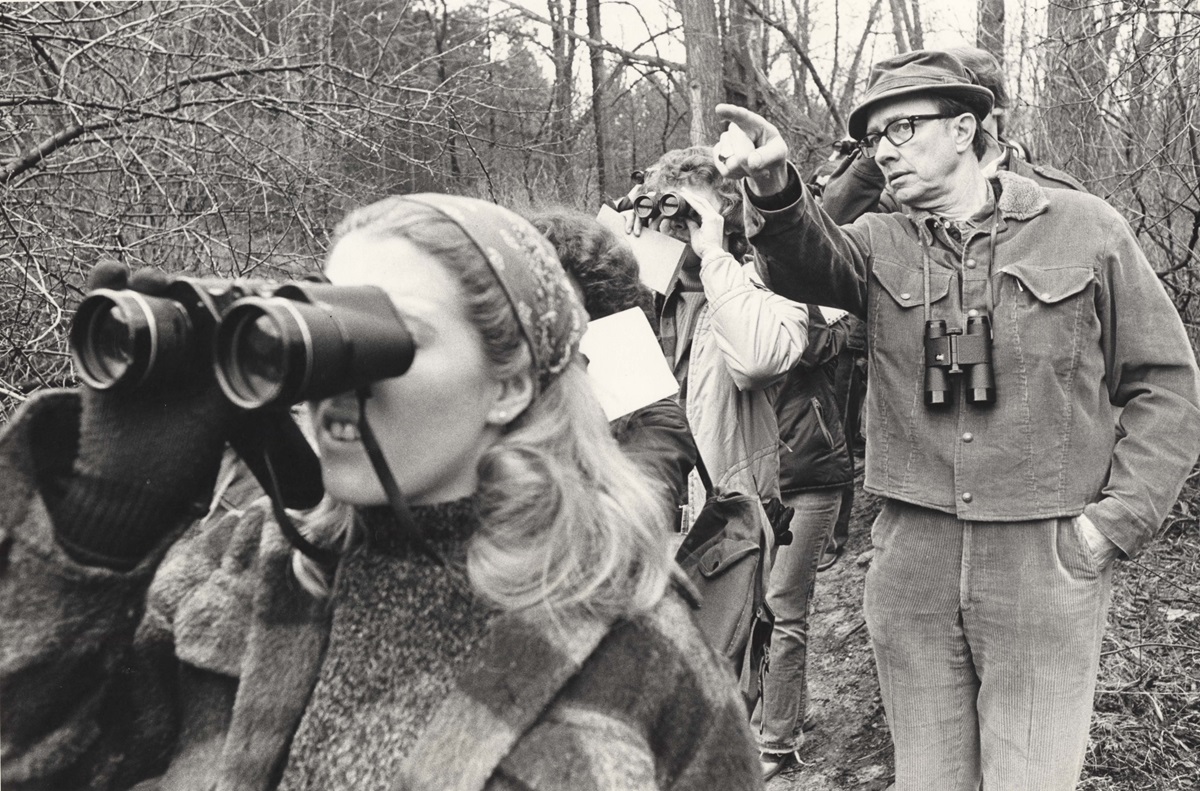
Many people who visit Pierce Cedar Creek Institute are familiar with Batts Cottage, now a peaceful creative retreat tucked into the landscape. But fewer know the story behind the name.
Who was Dr. Lewis Batts, and how did his vision help shape this place?
The answer reaches back more than 70 years, to a time when conservation looked very different than it does today.
A Vision Ahead of Its Time
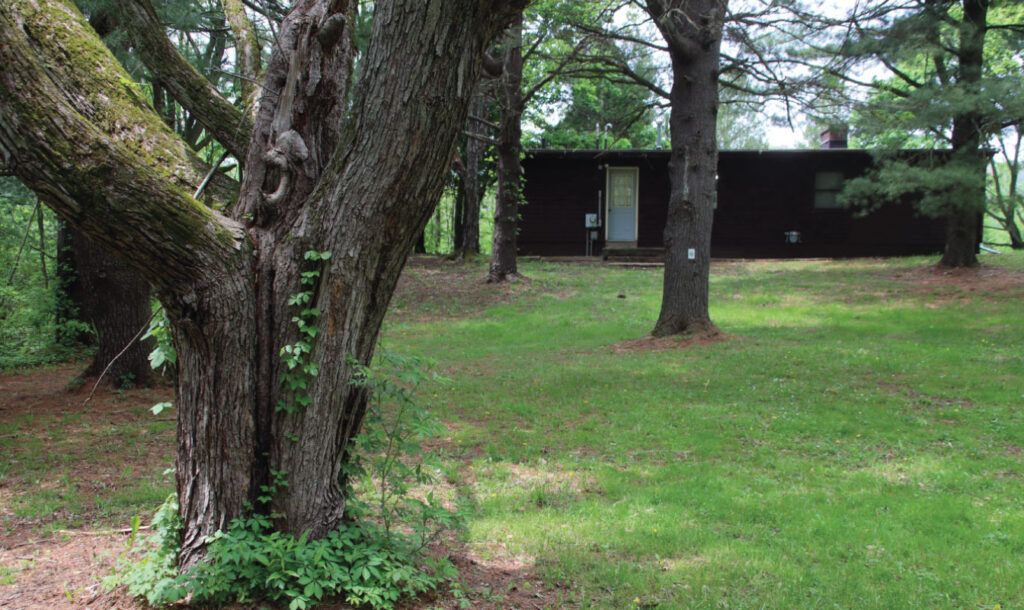
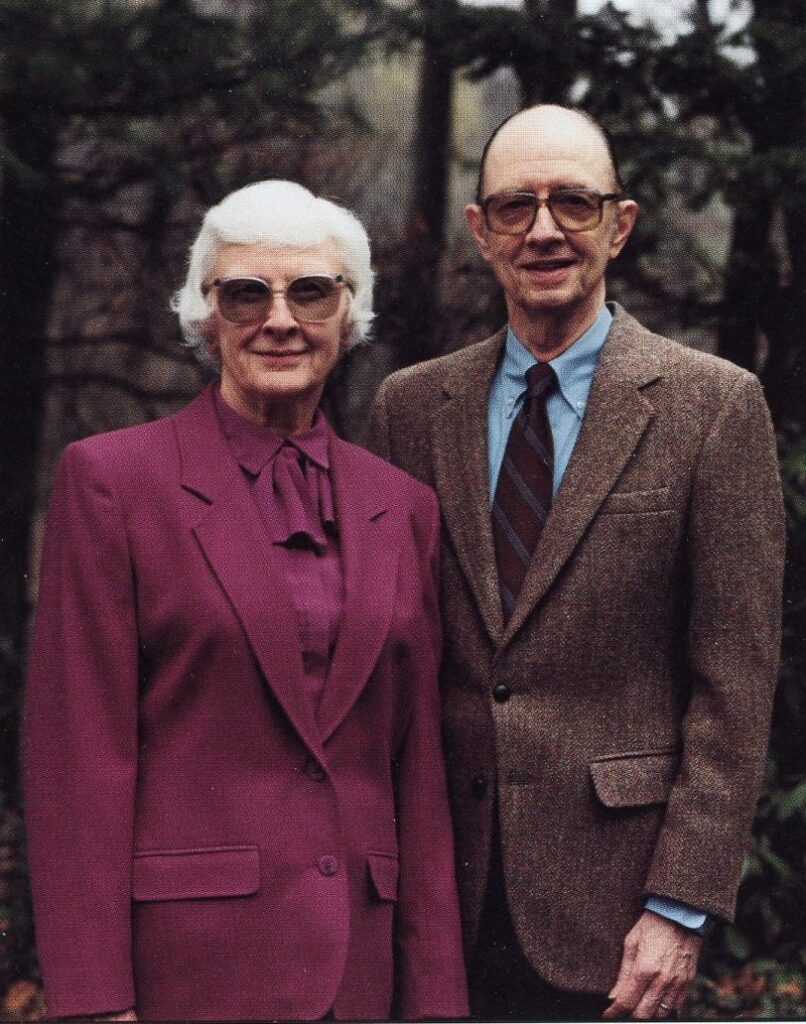
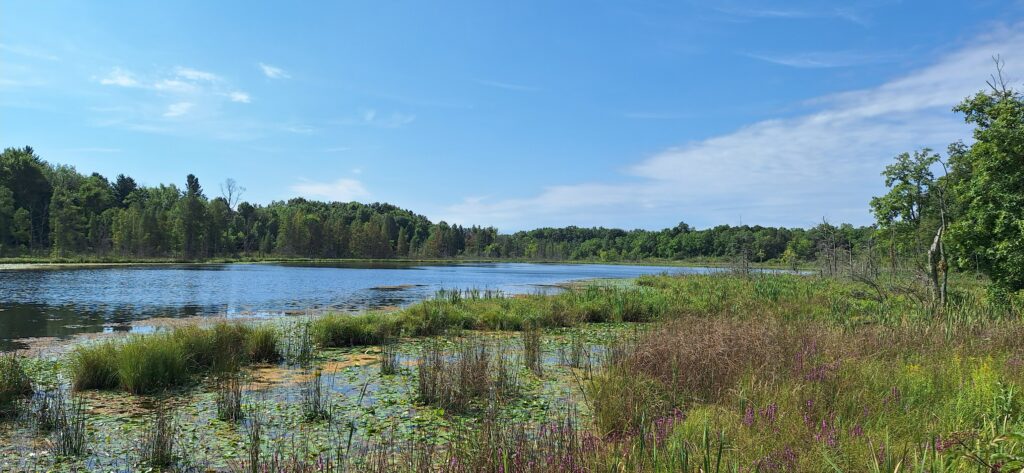
In 1952, Dr. H. Lewis Batts and his wife Jean began acquiring land in southwest Michigan, including Barry County, with a clear purpose: to protect it.
At a time when expanding agriculture and development were the norm, Batts imagined something else. He believed the land should be given space to recover. Forests, prairies, and wetlands would be allowed to return.
This early form of what we now call rewilding was both simple and bold.
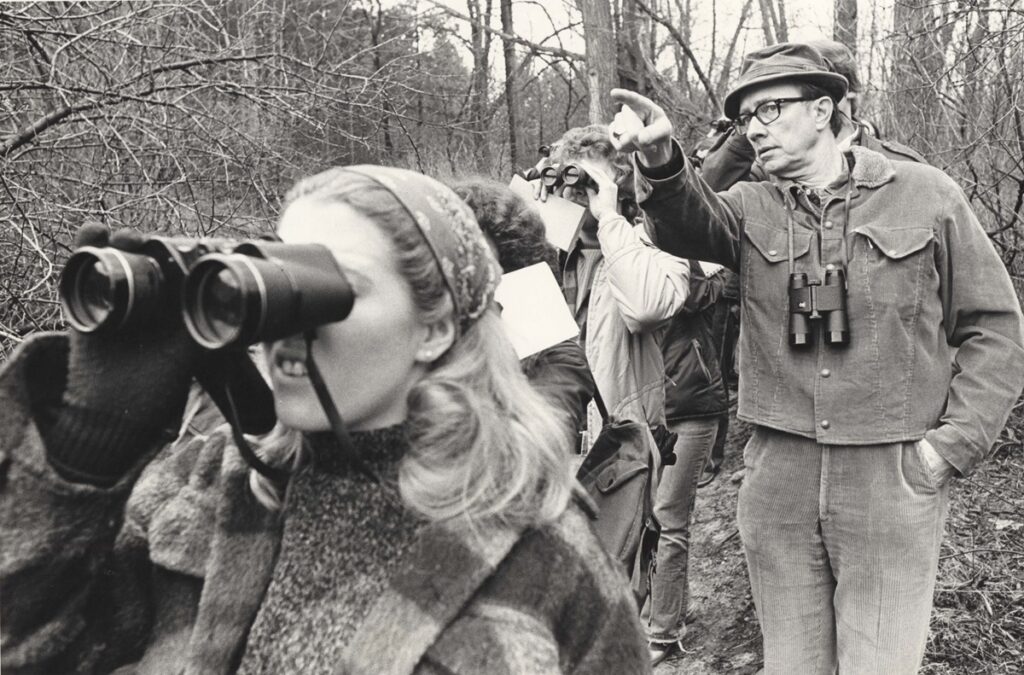
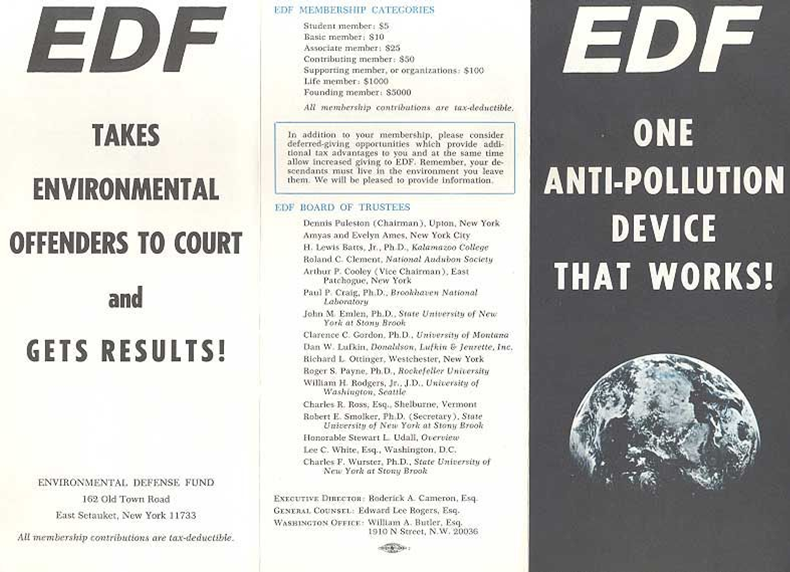
Dr. Batts was not only a local land steward. He was a nationally and internationally recognized environmental leader, a faculty member in ecology and ornithology at Kalamazoo College, and a co-founder of both the Kalamazoo Nature Center and the Environmental Defense Fund.
His work sat at the intersection of science, teaching, and action. He helped others see not just what the natural world is, but why it matters.
When Science Sparked a Movement
In the early 1960s, marine biologist and author Rachel Carson published Silent Spring, a book that would change how the world understood pesticides like DDT.
Carson described a future where birdsong disappeared from the landscape—a “silent spring.” Her work brought attention to the way DDT moved through ecosystems, accumulating in the food chain and causing devastating effects on wildlife.
Birds became one of the most visible indicators of this damage. Species such as bald eagles, ospreys, and peregrine falcons experienced dramatic population declines. DDT caused their eggshells to thin, leading to breakage during nesting and widespread reproductive failure.
For scientists like Dr. Batts, this was not theoretical. It was observable, measurable, and urgent.
In 1967, Batts and fellow scientists helped establish the Environmental Defense Fund. Their work used scientific evidence to advocate for change, ultimately contributing to the national ban on DDT in 1972.
This moment showed what was possible when science, persistence, and public engagement came together.

Protecting the Land for Generations
Back in Barry County, Batts continued to act on his values.
He protected the land during his lifetime and ensured it would remain protected by placing it under a conservation easement. Today, those easements are held with the Southwest Michigan Land Conservancy, preserving the Institute’s landscapes for generations to come.
This decision created a lasting foundation. It ensured that the land would remain focused on conservation, no matter how ownership or use might evolve over time.
A Vision Carried Forward
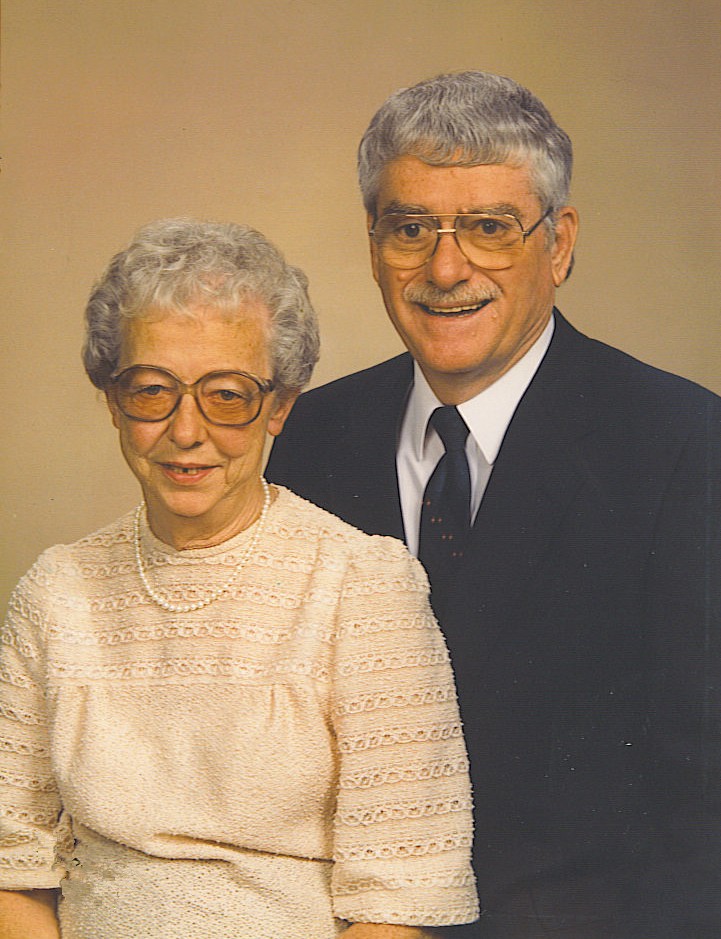
In 1988, Bill and Jessie Pierce established the Willard G. Pierce and Jessie M. Pierce Foundation to support nonprofit work in the community.
In 1997, near the end of their lives, Bill and Jessie Pierce sat on the deck of friends Ken and Alice Jones, taking in the beauty of Barry County and imagining what could be. In May 1997 meeting minutes, Bill Pierce shares this vision:
“Preserve land in its natural state of wetlands, forests, prairies and agricultural areas for future generations… and provide schools, colleges, communities and environmental professionals a teaching classroom and laboratory.”
That same year, the Foundation purchased the core 555-acre property from Dr. and Jean Batts. The land remained under conservation easement, preserving Batts’ original intent while opening the door to something new.
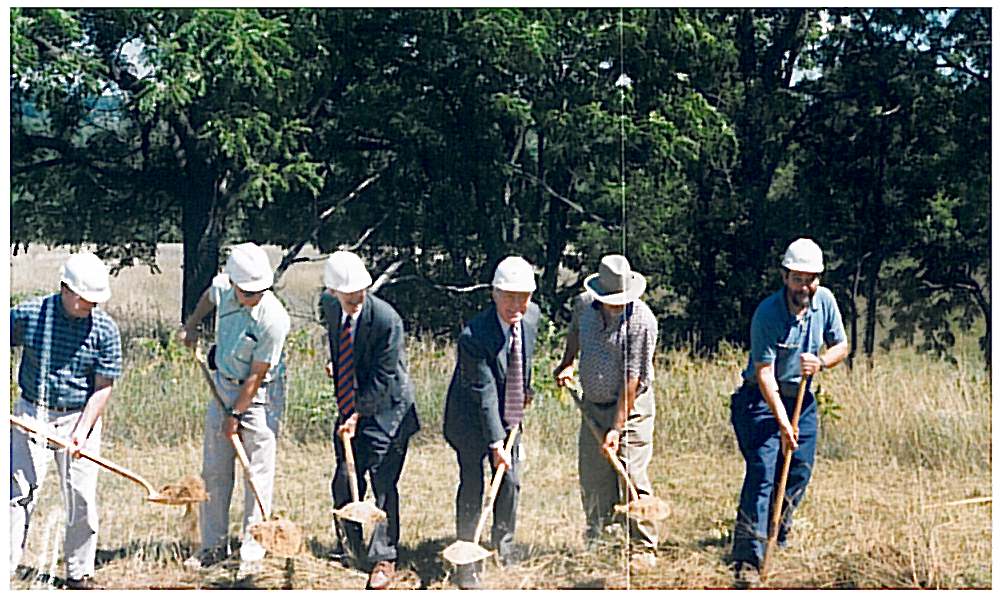
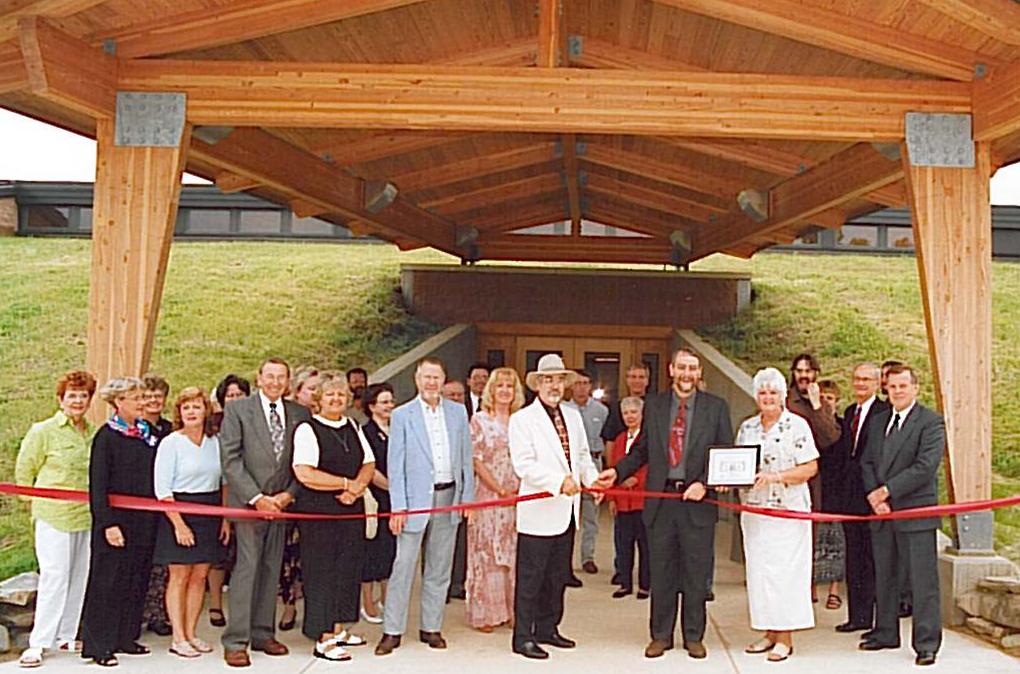
In 2001, Pierce Cedar Creek Institute opened its doors.
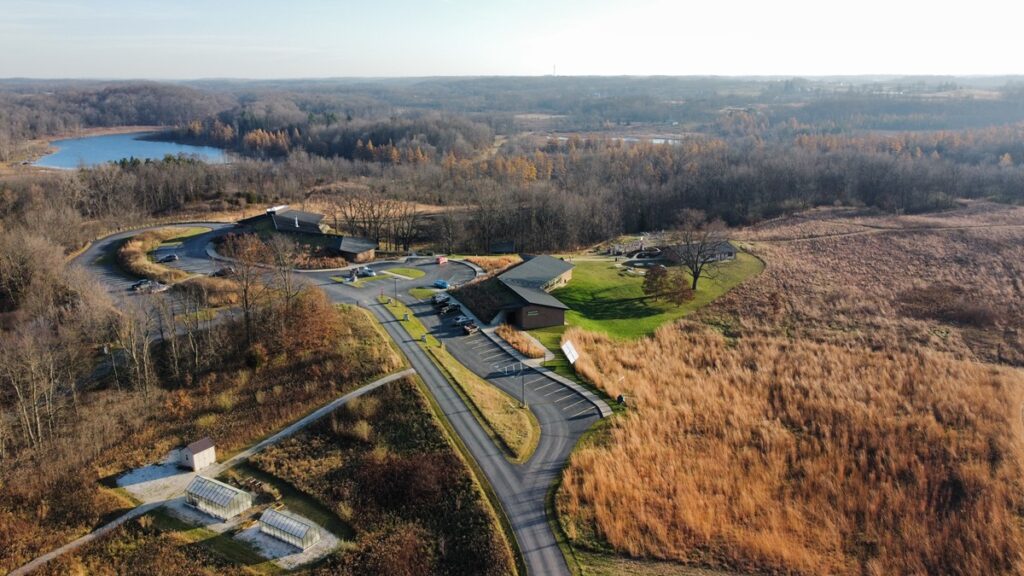
The Institute was founded to protect and enhance quality of life through ecological education, research, and stewardship. The original campus included the Visitor Center, Education Building, Research Lab, and Prairie View.
A Legacy That Lives On
Batts Cottage now serves as a quiet place for creativity and reflection. It stands as a physical reminder of the people and ideas that shaped this landscape.
Dr. Lewis Batts’ legacy continues to live on not only in the land itself, but in the work happening here every day.
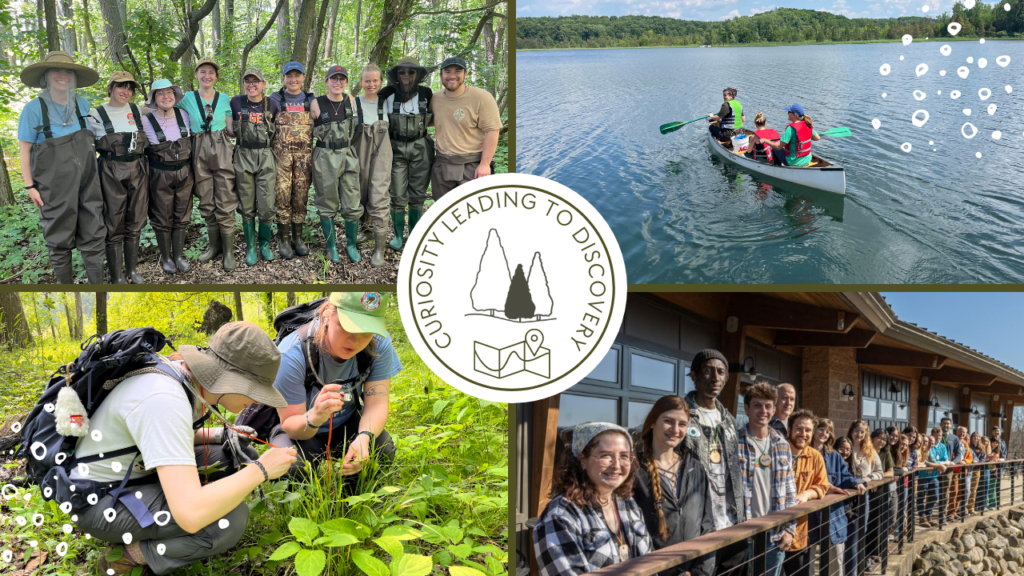
Students conducting research.
Families exploring trails.
Artists finding inspiration.
A community connecting to place.
Looking Ahead
As Pierce Cedar Creek Institute approaches its 25th anniversary later this year, Earth Day offers a meaningful moment to reflect.
The landscapes we care for today exist because of foresight, persistence, and a belief that nature is worth protecting.
It is powerful to see how those efforts continue to ripple forward.
And perhaps most meaningful of all is this:
We are all connected through this shared story.
Book Your Retreat
Experience the Wonder on Beautiful, Brewster Lake